
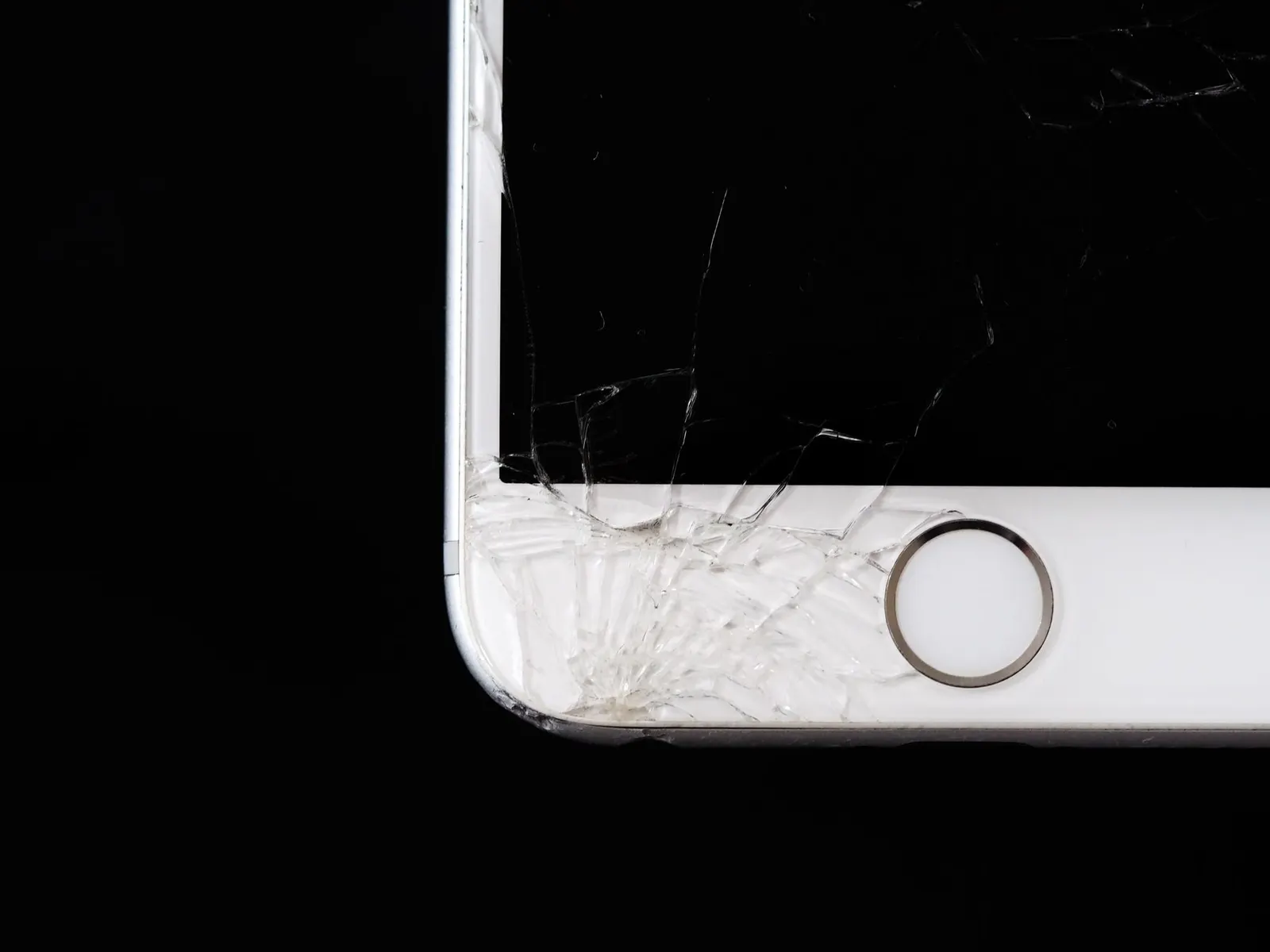
One of the most common questions we get at our Keshavpura shop is simple: should I use tempered glass or a screen guard? People often use the terms interchangeably, but they are quite different products with different strengths. Let us break it down clearly so you can make the right choice for your phone and how you use it.
What Is a Screen Guard (Hydrogel / PET Film)?
A traditional screen guard, also called a PET film or hydrogel protector, is a thin, flexible plastic sheet. It sticks to your screen and protects against fine scratches from keys, coins, and dust. It does very little to absorb the impact of a drop. However, hydrogel screen guards have one genuine advantage: they can be used on curved screens and foldable displays where rigid glass cannot conform to the shape. They also tend to be self-healing for minor surface scratches over time.
What Is Tempered Glass?
Tempered glass is a rigid protector made from chemically strengthened glass, typically 0.2 mm to 0.4 mm thick. When a phone drops, the tempered glass is designed to absorb and distribute the impact energy, ideally cracking itself so your phone's actual display does not. It also provides better scratch resistance than a film protector and feels more natural under the finger because it has a similar texture to the phone's own glass.
This is why we recommend tempered glass to the vast majority of our customers, including the many coaching students in Kota who carry their phones to classes and coaching centres every day. A phone that slips off a desk onto a hard floor is far more likely to survive with a good tempered glass in place.
What Does Each One Actually Protect?
| Protection Type | Tempered Glass | Hydrogel / PET Film |
|---|---|---|
| Fine scratches (keys, coins) | Good | Good |
| Deep scratches | Excellent | Moderate |
| Drop impact absorption | Good to Excellent | Minimal |
| Curved / foldable screens | Limited | Good (hydrogel) |
| Touch sensitivity | Very good | Very good |
| Fingerprint sensor compatibility | Varies by model | Generally compatible |
Which Should You Choose?
For most standard smartphones, flat or mildly curved screen, go with a good-quality tempered glass. Spend a little more on a branded or shop-fitted one rather than a very cheap generic. A ₹50 tempered glass often has poor optical clarity, air bubbles, and no oleophobic coating, which means it feels greasy within a week.
For phones with highly curved screens (Samsung Galaxy S-series, for example), a full-coverage hydrogel guard often fits better than a tempered glass that leaves exposed edges. For foldable phones, only hydrogel film should go on the inner display, never rigid tempered glass.
Does a Screen Guard Replace a Case?
No, and this is important. A screen protector, however good, only protects the display surface. The phone's corners and frame take the first impact in most drops. A decent TPU or bumper case absorbs corner shock and raises the screen slightly off flat surfaces, this combination of case plus tempered glass is what we recommend for anyone who wants real protection. During Kota's monsoon season, a case that covers the port area also gives a little extra resistance to moisture ingress.
Application Tips
- Clean the screen thoroughly with the alcohol wipe and microfibre cloth in the kit before fitting.
- Work in a low-dust environment, even a bathroom with the shower briefly run (to settle dust) helps.
- Align carefully before pressing down, once the adhesive contacts the screen it is hard to reposition without dust getting underneath.
- Use the squeegee or card in the kit to push out air bubbles from the centre outward.
- If you are not confident, bring the phone to us, we fit screen protectors cleanly as part of our service.
When Should You Replace the Protector?
Replace your tempered glass as soon as it cracks. A cracked protector no longer provides the same impact distribution and the sharp edges can cause small cuts. A cracked tempered glass that has done its job has saved your actual display, replace it and move on. We keep a range of tempered glass options at our shop for common models.
If you are unsure which protector fits your model or how to apply it without bubbles, drop into our Keshavpura centre and we will help you find the right one and fit it properly.
Frequently asked questions
Does tempered glass work with under-display fingerprint sensors?
Many do, but not all. Look specifically for a protector labelled as compatible with your phone's fingerprint sensor. Generic tempered glass sometimes blocks the ultrasonic or optical reader. We stock sensor-compatible options for popular models.
Can tempered glass alone save my screen from every drop?
It significantly improves your chances, but no protector is a guarantee. A corner drop onto sharp concrete can still crack the underlying display. Use a case alongside the tempered glass for best protection.
How often should I replace a screen guard?
Replace a tempered glass the moment it cracks. For hydrogel film, replace when the edges start lifting or the surface becomes too scratched to see through comfortably, typically every 6-12 months with normal use.
Is a ₹50 tempered glass from a roadside stall as good as a branded one?
Usually not. Very cheap protectors often have thinner glass, lower hardness ratings, poor optical clarity, and no oleophobic coating. A better quality protector from a reputable source lasts longer and feels nicer to use.
Questions & comments
Ask our Kota technicians anything about this repair. All posts are reviewed before they appear. For an urgent quote, WhatsApp us.
No comments yet, be the first to ask a question.
Leave a comment or ask a question
First, verify your email. We send a 6-digit code so we know you are a real person. Your email is never shown publicly.
Enter the 6-digit code we emailed to .