
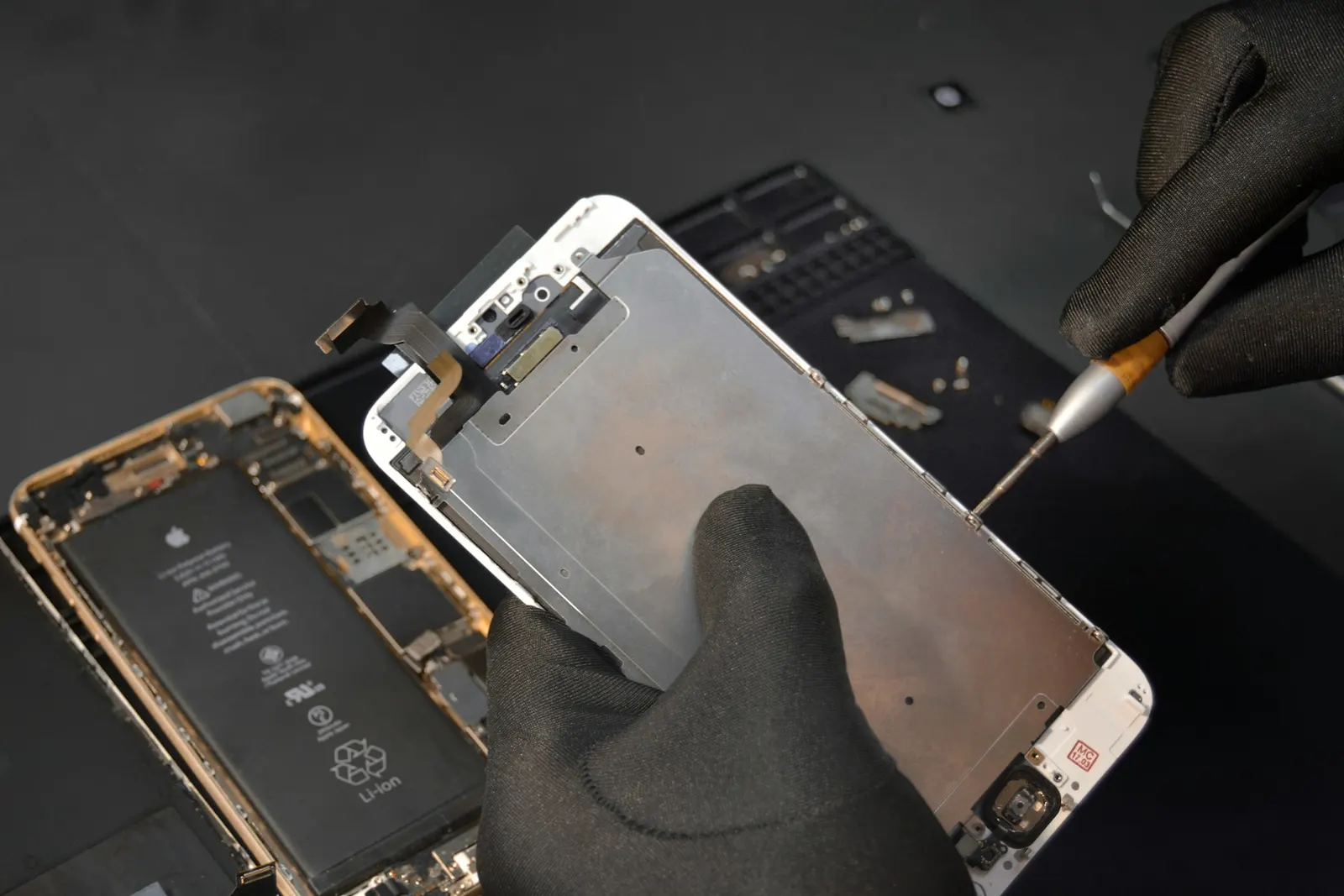
When you bring a phone for a screen replacement, you will likely hear the words original, OEM, compatible, or duplicate. These terms matter because they directly affect the quality of your experience after the repair and the longevity of the screen. At our Keshavpura shop, we always explain this to every customer before we touch their phone. Here is the full picture.
The Three Main Tiers of Replacement Screens
1. Original / OEM (Original Equipment Manufacturer)
These are either the exact same panels made by the original display manufacturer (Samsung SDI, BOE, JDI, LG Display, etc.) that were used to assemble your phone, or panels pulled from new surplus stock. Some suppliers also call these service pack screens when they come in the brand's own packaging with the original connector and adhesive.
OEM screens give you the same brightness, colour accuracy, touch sensitivity, and lifespan as the display your phone originally had. In-display fingerprint sensors work correctly. Always-On Display works. The colours look exactly as the phone maker intended.
The downside is cost. OEM screens, especially for iPhones, Samsung flagships, and OnePlus, are significantly more expensive than the alternatives.
2. High-Grade Compatible (A-Quality or Grade A)
These are screens made by third-party manufacturers using components that are close, but not identical, to the original. A good Grade A AMOLED panel will be hard to distinguish from the original in everyday use. Colour accuracy is very close, brightness is adequate, and touch sensitivity is similar. These often cost 30-50% less than a true OEM part.
For most mid-range phones, a Grade A compatible is our recommended choice when the customer wants a balance of quality and affordability. We only source these from suppliers whose panels we have tested and trust.
3. Copy / Duplicate / Low-Quality Panels
These are screens made with the cheapest possible components. They often look reasonable in the first few days, then problems emerge: washed-out colours, poor brightness in sunlight, sluggish touch response, ghost touches, and early failure. Some copy AMOLED panels are actually LCD panels dressed up in AMOLED-sized fittings, with obvious visual differences.
Copy screens are what make screen replacements look suspiciously cheap. Many shops in Kota, and across India, use copy panels to undercut competitors on price. The customer saves ₹300-500 upfront and ends up replacing the screen again within a few months.
How to Tell Which Grade You Are Getting
The easiest thing to do is ask your repair shop directly: is this an original OEM, a Grade A compatible, or a copy panel? A good shop will answer clearly and may show you the part packaging. Signs of a low-quality panel include: no packaging or just a plain bubble wrap, unusually low price, no warranty offered on the part, or a technician who deflects the question.
Price Comparison by Quality Tier
| Screen Quality | Example: Redmi Note (AMOLED) | Example: Samsung A-series (AMOLED) |
|---|---|---|
| Original / OEM | ₹2,000 - ₹3,200 | ₹3,500 - ₹6,000 |
| Grade A Compatible | ₹1,200 - ₹2,000 | ₹2,000 - ₹3,500 |
| Copy / Duplicate | ₹400 - ₹900 | ₹600 - ₹1,500 |
These are rough ranges to give you a sense of the difference. Exact prices depend on the specific model and the market at the time. Always ask for a confirmed quote after a free check-up.
What We Use at Our Shop
At our Keshavpura shop, we stock OEM parts for iPhones and current Samsung flagships. For mid-range Android phones we stock Grade A compatible panels from verified suppliers. We do not use copy panels. We will always tell you which quality of part we are using and price accordingly. If budget is a genuine concern, we will talk through the options honestly rather than quietly fitting a cheap panel.
Coaching students who depend on their phones all day for study materials, video calls, and notes should not be on a copy screen that dies in two months. Invest in the right part once, it is cheaper in the long run.
One Important Note on iPhone Screens
iPhone screen replacements deserve special mention. Apple locks some screen functions to specific logic boards on newer models. A non-genuine screen may show a warning message in the Settings app, and some display features may be limited. We always inform iPhone customers about this before the repair.
Frequently asked questions
Is a Grade A compatible screen as good as original?
For most mid-range phones, a quality Grade A compatible is very close to original in everyday use. You may notice minor differences in maximum brightness or colour saturation if you compare them carefully side by side, but in daily use the difference is small. OEM is still better if budget allows.
How can I tell if the screen I received is original or copy?
Ask the shop for the part packaging and supplier name. Original and Grade A parts usually come in labelled packaging. You can also compare the display to the original: copy screens often look washed out in sunlight or have slower touch response. If in doubt, bring it to us for a second opinion.
Will a duplicate screen damage my phone?
A copy screen will not directly damage the phone electronics, but poor touch calibration, inadequate brightness, and early failure mean you will likely need to replace it again soon, spending more in total than if you had chosen a better part initially.
Do original screens come with a warranty?
At our shop, we give a warranty on both the part and our labour. The warranty period depends on the part tier. Copy screens typically have no meaningful warranty because shops know they will fail.
Why does the same Samsung model have such a wide price range across shops in Kota?
Almost always because of part quality. Shops using copy panels can charge much less. Shops using Grade A or OEM parts charge more but give you a significantly better and longer-lasting result.
Questions & comments
Ask our Kota technicians anything about this repair. All posts are reviewed before they appear. For an urgent quote, WhatsApp us.
No comments yet, be the first to ask a question.
Leave a comment or ask a question
First, verify your email. We send a 6-digit code so we know you are a real person. Your email is never shown publicly.
Enter the 6-digit code we emailed to .